The Definitive Preparation Guide for 3D Scanning in Architecture
The Future of Accuracy Dimension: Recognizing the Function of 3D Laser Scanning Modern Technology
The landscape of precision measurement is evolving with the development of 3D laser scanning innovation. This innovation promises boosted accuracy and effectiveness across different industries. As sectors start to welcome these advancements, the ramifications for project administration and implementation come to be significantly significant. Nonetheless, the transformative impacts of this technology expand past plain numbers and measurements, meaning a broader shift in how experts approach their job. What might this mean for the future?
What Is 3D Laser Scanning Modern Technology?
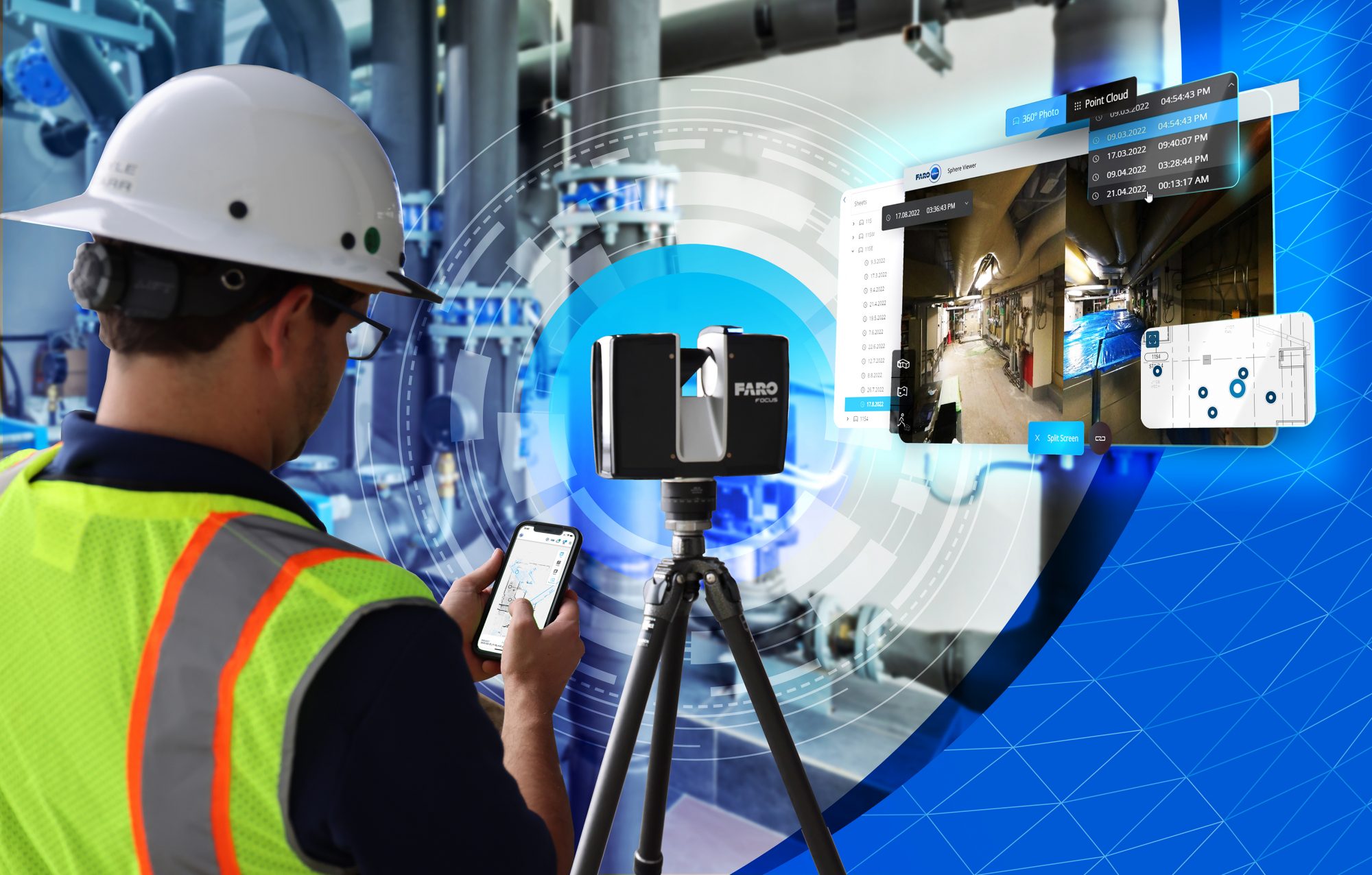
3D laser scanning modern technology is an advanced technique utilized to catch precise three-dimensional measurements of physical objects and environments. This technology uses laser beams to accumulate data factors, which are then processed to create comprehensive electronic depictions of the scanned subjects. By discharging thousands of laser pulses per second, 3D laser scanners can precisely record the shape, dimension, and spatial partnerships of various surface areas.
The procedure usually includes placing the scanner at various viewpoint to catch extensive data. The resulting factor cloud, a collection of millions of data points, can be analyzed and exchanged 3D versions. Applications of this innovation period several fields, including design, design, and heritage conservation, where it assists in documents and evaluation. As a non-intrusive method, 3D laser scanning lessens disruption to the setting, enabling detailed evaluations of both existing frameworks and all-natural landscapes, thereby improving understanding and helping with notified decision-making.
Secret Advantages of 3D Laser Scanning in Various Industries
3D laser scanning modern technology offers considerable advantages throughout various markets by giving improved precision and precision in dimensions. This technology not only enhances operations however likewise causes considerable time and expense financial savings. As organizations increasingly embrace this cutting-edge approach, the benefits become evident in enhanced task results and efficiencies.
Boosted Accuracy and Precision
The assimilation of laser scanning innovation has actually changed the way industries come close to dimension and data collection. This modern technology gives an unprecedented level of accuracy, capturing countless data points in a single scan. Therefore, professionals across numerous areas, such as design, production, and style, can create extremely outlined 3D models that mirror real-world conditions. Improved precision lessens errors connected with standard measurement approaches, making certain that buildings and designs are based on precise data. In addition, the capacity to capture elaborate details permits better evaluation and decision-making, eventually causing improved results. By leveraging 3D laser scanning, industries can attain greater standards of quality, making it a vital device for precise dimensions.
Time and Price Performance
Effectiveness in time and cost is a substantial benefit supplied by laser scanning technology, changing job implementation across different industries. By quickly capturing comprehensive 3D information, laser scanning reduces the moment invested on hands-on dimensions and decreases the danger of mistakes. This swift data procurement assists in much faster decision-making and task timelines, enabling groups to assign resources a lot more properly. In addition, the technology lowers the requirement for rework, as accurate models result in much better planning and execution. Industries such as construction, architecture, and producing advantage considerably, seeing lower costs connected to labor and products. Overall, 3D laser scanning not just improves functional efficiency but also adds to substantial financial savings, making it an indispensable tool in today's affordable landscape.
Applications of 3D Laser Scanning in Style and Building and construction
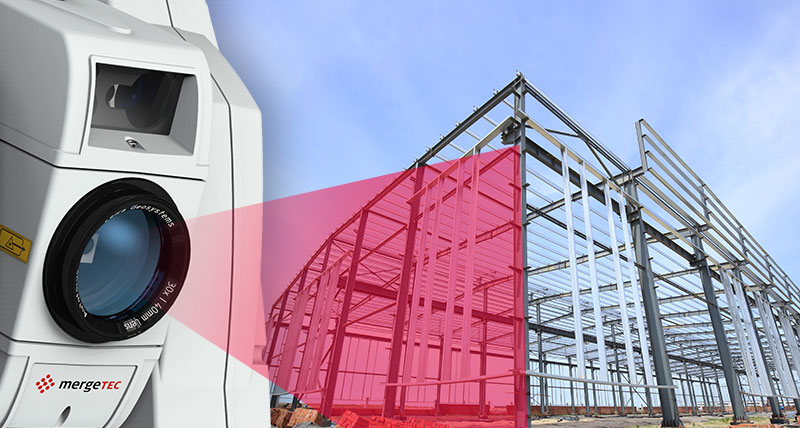
As architectural and building jobs grow significantly complicated, the adoption of laser scanning innovation has actually become a transformative remedy. This modern technology offers specific measurements and in-depth 3D representations of existing structures, promoting even more accurate planning and layout processes. Architects use 3D laser scanning to produce digital designs that catch intricate details, ensuring that renovations and new buildings line up perfectly with existing problems.
The Role of 3D Laser Scanning in Production Processes
3D laser scanning plays an essential function in manufacturing processes by boosting quality control with specific dimensions and information collection. This innovation enables producers to determine inconsistencies early, lowering errors and waste. In addition, it streamlines manufacturing operations by assisting in much better communication and control among teams.
Boosted Quality Assurance
Quality assurance in producing procedures has been revolutionized by the combination of laser scanning modern technology. This innovative method permits precise measurements and detailed assessments of elements, guaranteeing that they meet stringent high quality criteria. 3D laser scanning catches elaborate geometries and resistances, enabling producers to discover inconsistencies from design specs quickly. This technology significantly decreases human error linked with traditional measurement methods, giving trusted and regular information. By assisting in real-time quality assurance, it enables positive adjustments in the production procedure, eventually bring about boosted item dependability and client fulfillment. As markets significantly adopt 3D laser scanning, the capacity for improved quality assurance ends up being obvious, marking a transformative change in producing practices.
Streamlined Manufacturing Operations
Effective production operations are increasingly taking advantage of the assimilation of laser scanning technology in manufacturing processes. This innovation enables for fast, precise dimensions of settings up and components, substantially lowering the time needed for configuration and changes. By catching precise geometry, producers can promptly recognize inconsistencies in between design specs and actual products, making it possible for immediate corrective activities. Additionally, 3D laser scanning helps with the seamless transfer of data between design and manufacturing groups, enhancing partnership and minimizing errors. The innovation additionally supports electronic double creation, permitting real-time tracking and optimization of making processes. Consequently, organizations can achieve higher effectiveness, decreased waste, and improved general productivity, inevitably driving affordable benefit in the market.
Preserving Heritage: How 3D Laser Scanning Aids Cultural Preservation
As cultural heritage sites deal with the danger of wear and tear and devastation, cutting-edge modern technologies such as laser scanning become important devices for conservation efforts. 3D laser scanning catches detailed information of historical structures and artifacts with remarkable precision, producing electronic versions that offer multiple functions in preservation. These designs permit precise documentation of present conditions, enabling specialists to keep track of changes with time and assess damage dangers.
Furthermore, laser scanning promotes online restoration, helping conservators establish strategies for repairs or recreating lost components without invasive approaches. The technology more info also aids in enlightening the public, using immersive experiences with digital trips that highlight the significance of these sites. By incorporating 3D laser scanning into social preservation methods, stakeholders can assure that heritage is preserved for future generations while improving understanding and gratitude of historical contexts.
The Future Outlook: Improvements and Fads in 3D Laser Scanning Technology
3D laser scanning technology has actually already changed numerous sectors, its future promises also greater innovations that will boost ease of access, accuracy, and rate. Emerging trends suggest an increase in assimilation with expert system and artificial intelligence, causing smarter data processing and evaluation capabilities. This harmony will enable quicker decision-making and more precise end results in fields such as heritage, engineering, and construction preservation.
Additionally, advancements in equipment are expected to generate lighter, more mobile scanning tools, democratizing gain access to for smaller sized firms and private professionals - 3D Scanning. As software remains to develop, straightforward applications will certainly simplify intricate process, making 3D scanning much more available to non-experts
The rise of cloud-based remedies will promote real-time collaboration and data sharing among stakeholders, leading the way for streamlined project management. Collectively, these fads signify a future where 3D laser scanning technology comes to be a crucial device in an also wider range of applications.
Frequently Asked Questions
Just How Much Does 3D Laser Scanning Technology Cost?
What Are the Abilities Needed to Operate 3D Laser Scanners?
Operating 3D laser scanners needs technical effectiveness, attention to information, spatial recognition, understanding of software for information handling, and an understanding of checking principles. Additionally, strong analytical skills and problem-solving abilities are necessary for reliable operation.
Can 3D Laser Scanning Integrate With Various Other Technologies?
Yes, 3D laser scanning can incorporate perfectly with other modern technologies, such as Geographic Info Equipment (GIS), Building Details Modeling (BIM), and augmented fact, boosting information precision and helping with improved evaluation throughout numerous industries and applications. - 3D Scanning
What Is the Typical Scanning Variety Of These Gadgets?
The common scanning array of 3D laser scanning gadgets varies widely, usually between 50 meters to over 1,000 meters, depending on the design and application, affecting their suitability for various precision dimension jobs and settings.
How much time Does a 3D Laser Scanning Project Take?
A 3D laser scanning task generally takes anywhere from a couple of hours to numerous days, relying on variables such as project size, complexity, and called for detail. Each job's timeline can differ significantly based upon these components.
The landscape of precision dimension is evolving with the introduction of 3D laser scanning technology. 3D laser scanning modern technology is an innovative technique used to catch precise three-dimensional dimensions of physical things and settings. 3D laser scanning technology supplies substantial benefits across various sectors by giving boosted accuracy and precision in dimensions. 3D laser scanning modern technology has already transformed numerous sectors, its future pledges also better innovations that will enhance accessibility, precision, and rate. 3D laser scanning modern technology commonly costs in between $10,000 and $100,000, depending on the devices's features and abilities.